Research Article
Aim & Scope
The aim of the Journal of Productivity is to convey the results of research in the field of productivity to its readers within the framework of scientific principles and to contribute to the development of productivity science and awareness in this way.
Due to the interdisciplinary nature of the concept of productivity, articles published in the Journal of Productivity have a wide variety of topics. Journal of Productivity publishes theoretical and applied research that addresses issues related to measuring and improving productivity. Journal of Productivity, which focuses on the disciplines of Economics, Management Sciences, operations research, business and public administration in general, primarily includes publications in the following titles, including but not limited to:
- Productivity Management
- Productivity Measurement and Improvement
- Productivity Improvement Techniques
- Labor Productivity and Employment Policies
- Productivity in Public Administration
- Relationship Between Macro-Economic Variables and Productivity
- Partial and Total Factor Productivity
- Performance Measurement Methods and Techniques
- Corporate and Individual Performance Management
- Total Quality Management
- Statistical Quality Control
- Decision Analysis and Decision Support Systems
- Management Information Systems
- Product/Service Design and Development
- Organizational Design
- Process Management
- R&D and Technology Management
- Innovation Management
- Project Management
- Production Management
- Logistics
- Supply Chain Management
- Sustainable Production
- Sustainable Development (Green Growth)
- Resource Productivity
- Circular Economy
- Impact Evalution Applications
- Digital Transformation Applications
Author Guidelines
Journal of Productivity accepts scientific and original articles in the field of productivity in Turkish and English.
The types of articles included in the Journal of Productivity are as follows:
Research Article: These are articles that reflect the findings and results of an original research.
Review Article: These are the articles that review a sufficient number of scientific articles, summarize the subject, make evaluations and interpret the findings by comparing them.
- Articles should be written on A4 size (29.7x21 cm) paper, with MS Word or compatible programs.
- Arial should be used as font, it should be written in 11 points, single line spacing and the pages should be numbered.
- The article should not exceed 9000 words with its attachments.
- The title of the article should be compatible with the content and should be written in bold and 14 point size.
- The names and surnames of the authors should be included on the title page and the title, institution and e-mail addresses of the authors should be given.
- Author's name, surname, institution, contact information should not be included in the text file, as blind refereeing method will be applied in the article evaluation process.
- Turkish and English abstracts should be placed at the beginning of the article. Abstracts should not exceed 200 words.
- At least 3 keywords should be included under the abstracts.
- The text of the article should cover the sections related to the introduction, literature review, method, findings, conclusion and discussion.
- Headings in the text should be written in bold. The use of subheadings in long articles provides convenience for the reader.
- First degree titles 1st, 2nd, etc. way; second degree titles 1.1., 1.2., etc. way; third degree titles are 1.1.1., 1.1.2., etc. should be numbered accordingly. All main and subheadings (titles, references and appendices) should be written in bold.
- Expressions that need to be emphasized in the text are shown using italics or bold. Where footnotes are required, * should be used on the same page.
- All views (photos, drawings, diagrams, graphs, maps, etc.) that do not contain charts should be called figures. Each chart and figure should be placed where it should be in the text. All tables and figures should be numbered consecutively in the text. If the figures are photographs, they should be sent in high resolution and in accordance with the print quality. The charts and figures used should be referenced in the text. References in the text should be given in parentheses (e.g. Table/Figure 1) and the number of the relevant image. If more than one image is to be referenced, the relevant numbers should be separated by hyphens (e.g. Table 1-2).
- All formulas in the text should be written using MS Equation. Formulas must be numbered (1), (2) and all units must be in the SI unit system.
- Symbols and abbreviations can be given at the end of the text after the references.
- When references are made in the text, the surname of the author, publication year of the work, page number or only the sequence number of the work should be shown in parentheses, footnotes should not be used for the source.
If the reference is an article: Author's surname, initials (year), full title of the article, name of the journal (international abbreviations, if any), Volume number (Issue number), beginning and ending page numbers of the article.
Rahman, M., lambkin, M. and Hussain, D. (2016). "Value Creation and Appropriation Following M&A: A Data Envelopment Analysis", Journal of Business Research, 69(12), 5628-5635.
Lee, H.H. and Tan, H.B. (2006). "Technology Transfer, FDI and Economic Growth in the ASEAN Region", Journal of the Asia Pacific Economy, 11(4), 394-410.
If the reference is a book: Author's surname, initials (year), name of the book, volume number, editor, if any, name of publisher, publication number, place of publication.
Alpaydın, E. (2014). "Introduction to Machine Learning", The MIT Press, London.
If the reference is a chapter from the book: The surname of the chapter author, the initials of the name (year), the name of the chapter, the name of the book from which the chapter is taken, the name of the publisher, the place where it was published.
Vasant, P., Bhattacharya, A. and Abraham, A. (1971). "Measurement of Level-of-Satisfaction of Decision Maker in Intelligent Fuzzy-MCDM Theory: A Generalized Approach", Fuzzy Multi-Criteria Decison Making, Editor: Kahraman, C., Springer, LLC, 235-262.
If the reference is the printed thesis: Author's surname, initials (year), the name of the thesis, its type (master's, doctorate), the university and institute where it was presented.
Hughey, A. C. (1933). "The Treatment of the Negro in South Carolina Fiction", Unpublished Master’s Thesis, University of South Carolina, Carolina.
If the reference is the congress paper: Author's surname, initials (year), the title of the paper, the name of the congress, the place where it was held, the start and end page numbers of the paper.
Kianto, A., Ritala, P., Vanhala, M. ve Inkinen, H. (2013). "The Impact of Knowledge Management Practices on Organizational Performance", 14th European Conference on Knowledge Management (ECKM 2013), Kaunas, Lithuania, 356-361.
If the referenced from the web page: Author or responsible institution, Title of the cited item, name of the web page, URL, (Access Date).
BMUS (United States Bone and Joint Initiative), (2020). "The Burden of Musculoskeletal Diseases in the United States", www.boneandjointburden.org, (Accessed: 18.03.2020).
Direct quotations should be given “in quotation marks”. If the quotations are more than 4 lines, the justification method should be used. Blockquotes are written in two tabs, and in blockquotes, the font and size are written in italics to remain the same as the text.
Ethical Principles and Publication Policy
The editor is responsible for all papers published in the journal. The ethical commitments and responsibilities of the editor are as follows:
General Responsibilities
- The editor is responsible for assisting to the improvement and development of the journal’s quality.
- The editor is expected to protect the freedom of expression of the authors.
Relations with Readers
- The editor should do clear that the parts in the journal that do not involve peer-review (letter to the editor, invited papers, conference announcements, etc.) are definitely marked.
- The editor should form an attempt to match the published articles with the knowledge and skills of the journal readers.
Relations with Reviewers
- The editor should suggest the reviewers to check out the articles corresponding to their knowledge and expertise. Therefore, it should be provided that the articles are checked accordingly by experts in the field.
- The editor is required to pass on to the reviewers all significant information concerning the reviewer evaluation process and what is called for from the reviewers.
- The editor should ensure that the peer-review process is carried out with double-blind peer-review process and should not reveal the reviewers to the authors and the authors to the reviewers.
- The editor should check the reviewers dealing to their timing and performance.
- The editor should set up a database of reviewers and update the database corresponding to the performance of the reviewers.
- The editor should remove the reviewers from the reviewer list who make rude and unqualified comments or do not bring in attention to the calendar.
- The editor should continually renew and expand the list of reviewers corresponding to their fields of expertise.
Relations with Authors
- The editor should regularly update the editorial and writing guidelines and the sample template as to what is required of the authors.
- The editor should check the articles submitted to the journal in terms of journal writing rules, the emphasis of the work, and originality, and if he decides to reject the article during the first submission process, he should certainly and accurately pass on to the authors the reason for this. During this process, if it is decided that the article needs to be revised in terms of grammar, punctuation and/or spelling rules (margins, convenient reference, etc.), the authors should be informed about this issue and they should be given time to carry out the crucial corrections.
- Manuscripts should comprise dates of submission and acceptance for publication.
- When the authors request information about the status of their articles, the authors should be informed about the status of their articles in a way that does not disturb the double-blind reviewing process.
Relations with the Editorial Board
- The editor should tell the editorial and writing rules to the members of the Editorial Board and describe what is required of them.
- The editor should notify the members of the Editorial Board the most up-to-date version of the publishing and writing rules.
- The editor should check the members of the Editorial Board and select members who will enthusiastically engage in the development of the journal.
- The editor should instruct the members of the Editorial Board about the supporting roles and responsibilities:
- Holding the development of the journal
- Writing reviews on their areas of expertise when requested,
- To review and revise the publishing and writing rules,
- To fulfill the basic responsibilities in the operation of the journal.
Author(s)
- Articles submitted to the Journal of Productivity must be original studies in the field of productivity.
- All sources employed in articles (authors, online pages, personal interviews, etc.) should be cited precisely and accordingly.
- It should be mentioned that the articles delivered to the journal were not sent to another journal.
- Persons who do not contribute brilliantly to the article should not be mentioned as authors.
- Conflicts of interest regarding the submitted article should be set forth and the reason should be pointed out.
- Authors may be expected to submit basic data referring to their work to the Editorial Board while in the reviewering process, in which case the authors are expected to participate their basic data with the Editorial Board. Authors are obliged to keep the data of a published article for 5 years.
- When authors identify an error in their work, they should notify the Editor and Editorial Board and cooperate for the correction or withdrawal process.
Reviewer(s)
- All articles submitted to the Journal of Productivity are evaluated by double-blind peer-review method. The double-blind peer-review method means that the authors are kept secret from the reviewers and the reviewers from the authors in order to provide an equitable, objective and separate evaluation process. Articles are forwarded to the reviewers by the editor (via e-mail) for evaluation. The reviewers state their opinions regarding the contribution of the article they figured out to the scientific fields and whether the article is publishable and their reasons for these decisions by completing the Journal of Productivity Evaluation Form. The ethical responsibilities and roles of the reviewers of the Journal of Productivity are as follows:
- The articles delivered for interpretation are forwarded to at least two reviewers.
- Reviewers are particularly required to reviewer articles presented to their area of expertise.
- Reviewers should check out the articles impartially and equitably.
- Reviewers are required to furnish in the Journal of Productivity Evaluation Form for the articles they evaluate. In this form, the reviewers are required to state their decision on whether the article they are evaluating is publishable or not, and the reasons for their decision.
- The style employed by the reviewers in their suggestions must submit with the rules of courtesy and respect and be scientific. Reviewers should avoid offensive, disrespectful and subjective personal comments.
- The reviewers are required to perform their evaluations within the time provided to them and are taken to observe with the ethical responsibilities set forth herein.
Publisher
Journal of Productivity is published by the Ministry of Industry and Technology of the Republic of Turkey. The publisher’s ethical responsibilities are as follows:
- The publisher accepts that the decision maker and the reviewering process are the responsibility of the editor in the process of publishing an article in the Journal of Productivity.
- The publisher keeps open, electronic and free access to the journal on the journal’s web page.
Notifying the Editor of the Situation Not Complying with the Ethical Principles
In case of a behavior that does not satisfy with the ethical principles referring to the editors, reviewers, writers, or an unethical situation concerning an article in the evaluation process, early view or published in the Journal of Productivity, It should be reported to the e-mail addresses of lutfiye.daglioglu@sanayi.gov.tr and onder.belgin@sanayi.gov.tr.
PUBLICATION POLICY
General Principles
- Journal of Productivity is published by the Ministry of Industry and Technology, General Directorate of Strategic Research and Productivity.
- Journal of Productivity, published both in print and online, is a national peer-reviewed journal. It publishes issues four times a year, in January, April, July, and October.
- Journal of Productivity is published at https://dergipark.org.tr/tr/pub/verimlilik and all its processes are carried out through Dergipark.
- Journal of Productivity is devoted to implementing the largest standards of publication ethics and adopting the practice guide drawn up by the Committee on Publication Ethics (COPE, https://publicationethics.org).
- Articles in Journal of Productivity are archived with the LOCKSS (Lots of Copies Keep Stuff Safe) system.
- Journal of Productivity follows an Open Access policy and is licensed under a Creative Commons 4.0 International License. Access to published studies is free and all published articles are shared with the scientific world at the national level. Applications have also been made to indexes that carry out scanning activities at the international level, and they are still being scanned by the content scanning services of TRDizin, SOBİAD and EBSCO.
- For articles accepted for publication, a “Certificate of Acceptance for Publication” confirmed by the editor is sent upon the request of the author.
- Journal of Productivity does not accept articles for any issue. Articles can be submitted to the journal at any time. Studies whose evaluation process is performed are selected for publication for the relevant issue.
- All legal and scientific responsibilities regarding the contents of the articles published in the Journal of Productivity belong to the author(s).
- All authors who submit articles to the Journal of Productivity have corresponding rights. No privileges are assigned to the author or work in the evaluation, acceptance and publication processes of the articles. The order of publication of accepted articles is determined corresponding to the time of acceptance. However, the Editorial Board retains the right to do changes when felt fundamental.
- No fee is required from the authors in processes such as the evaluation/printing of the articles sent to the Journal of Productivity.
- Journal of Productivity uses information such as names, titles and e-mail addresses shared on the website only for the present purposes of this journal; does not use it for any other purpose or cause it accessible to other people.
- No royalties are paid to the authors for the published articles and the publication rights are supposed to have been given to the Ministry of Industry and Technology with the Copyright Transfer Agreement. This transfer also includes publishing in the virtual environment. Copyright Transfer Form must be filled and signed by all authors and uploaded to the journal system.
- The responsibility of the opinions, photographs and documents in the articles applies to the authors.
- The articles accepted for publication are published by the Journal of Productivity with all the rights of publication.
The Quality of the Studies to be Incorporated in the Journal
- Original papers based on scientific principles and research that will lead to the field of productivity are established by Journal of Productivity.
- Compilation articles, which have a strong bibliography and suggested objections and views on the item investigated, are accepted by Journal of Productivity.
- Submitted papers must not have been already published in another publication or accepted for publication.
- If the study is reinforced by the research institution or fund; The name of the supporting organization, the project number and the date of completion should be given in the footnote.
- Submitted articles should be uploaded in Word (doc, docx) format in order to establish an evaluation copy and to make layout studies in case of approval for publication by the reviewer process. The visual material utilized in the article should be incorporated in the text.
Evaluation process
1. Submitted articles are reviewed by dealing with the accompanying points before being submitted to the reviewers, and the articles found sufficient for the evaluation process are assigned to the reviewers:
a. By the Editorial Board, the obedience of the article to the publication principles and publication ethics, scientific quality and originality is checked as proper and general content, and the field to which the work exists is completed.
b. During the reviewers evaluation phase, the reviewer evaluate the full text, which is included to the system by the authors and does not involve any statement about the author(s) of the work.
c. Each reviewer decides the article corresponding to the evaluation criteria in the system; They can introduce the line number and “things to do” in a field where they can reveal the basic corrections and changes, or they can upload them to the system with a supplementary file. They still adopt a judgment statement that points out the evaluation result.
d. The authors take into account the suggestions of the reviewers; but they have the right to complain to the issues they oppose with.
e. A double-blind reviewer evaluation system is used in the Journal of Productivity. The “positive” opinion of at least two reviewer is offered for the acceptance of the article for publication. If one of the reviewers gives a “positive” and the other a “negative” opinion, the article is sent to a third reviewer. After two “positive” reviewer opinions, the articles selected for publication are allowed the year and number of publication by the Editorial Board. PDF copies are generated and joined to the system.
f. When the publication date of the related issue becomes, the issue is published and caused clear.
2. From the authors of the articles other than the review type to be employed for publication in all journals indexed in TRDizin for the year 2020 and under evaluation corresponding to the decisions reached by the proper boards of TÜBİTAK ULAKBİM TRDizin;
a. For research that involves data collection through methods such as scales, questionnaires, interviews, observations, describing and detailing the ethics committee approval (name, decision date and number) of the candidate article on the first-last page and method section
b. Include in the article the information that the knowledgeable consent/consent form has been noticed,
c. Submitting the proofs of the ethical principles in the data collection process (such as having permission from others for the use of scales, questionnaires, documents) in the article,
d. In the articles, it will be requested to point out that research and publication ethics are kept.
3. The article will go to the reviewer evaluation stage after the necessary documents specified in article 2 are uploaded.
4. When a decision is made to “correct” the submitted articles, the authors must make the necessary corrections and upload the final version of the article to the system within 15 days. If the corrections are not made and sent within the specified time, the Editorial Board has the right to reject the article.
5. It is foreseen that the article evaluation process in the journal will last for a maximum of 6 months for each article, depending on the reviewer’s evaluations.
6. The author(s) take into account the criticisms, suggestions and corrections of the reviewers and the Editorial Board. If there are issues that they disagree with, they have the right to state their reasons. The author(s) of the accepted and unpublished articles are informed, but the article texts are not returned.
7. The author always has the right to withdraw his article. However, due to the system of Dergipark, the articles that have been appointed as reviewers cannot be withdrawn by the author. In order for the author to withdraw his article, the evaluation process must be completed. Author(s) who want to withdraw their articles can make a request via the signed Article Withdrawal Form.
Plagiarism Detection
In order to keep and promote the reviewing process, the similarity score of the papers delivered to our journal is detected. If the similarity score fixed before the referee is assigned is above 20%, the article is expressed to the author without starting the reviewer interpretation process. An assessment process is involved for plagiarism detected after publication and an editorial note is published in the journal for readers.
Grievance Mechanism
When the reader looks at a significant error or mistake in a paper published in the Journal of Productivity, or receives any objections about the editorial composition (plagiarism, duplicate articles, etc.), the grievances can be represented by sending an e-mail to lutfiye.daglioglu@sanayi.gov.tr and onder.belgin@sanayi .gov.tr. Since the grievances will afford an excuse for the improvement of the journal, we will meet the grievances and answer rapidly and kindly.
Fee Policy
Journal of Productivity does not require evaluation, application and publication fees or related payments from authors for published and electronic articles or contribution.
Price Policy
In the Journal of Productivity, no fees are charged for publishing, reading and downloading articles. Likewise, there is no fee charged during the referee evaluation process.
Indexes



Journal Boards
Auto-generated board - Please Edit This Title
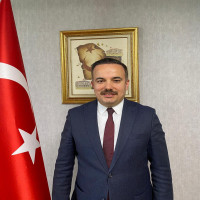
EDITOR
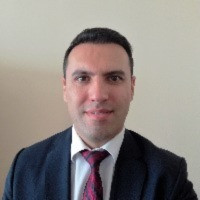

Managing Editor
ADVISORY BOARD


Halit Keskin, Yıldız Teknik Üniversitesi İktisadi ve İdari Bilimler Fakültesi'nde yönetim ve organizasyon alanında profesör. Doktora derecesini Gebze Yüksek Teknoloji Enstitüsü'nden yönetim ve organizasyon alanında almıştır. Journal of Product Innovation Management, Journal Engineering and Technology Management, R&D management, Information & Management, Technovation, IEEE Transactions on Engineering Management, International Journal of Information Management, International Journal of Production Research, Technological Forecasting and Social Change adlı dergilerde yayınları bulunmaktadır. Araştırma alanları teknoloji ve inovasyon yönetimi, bilgi yönetimi, yeni ürün geliştirme ekipleri, üniversite-sanayi etkileşimleri, orgüt teorisidir.

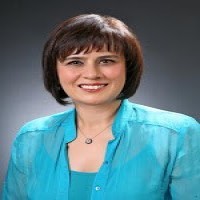
Özlem ATAY, 1984’de TED Ankara Koleji’nden, 1988’de Ankara Üniversitesi Siyasal Bilgiler Fakültesi İşletme Bölümü’nden mezun olduktan sonra, Hacettepe Üniversitesi İşletme Bölümü’nde Yüksek Lisans, Ankara Üniversitesi Siyasal Bilgiler Fakültesi İşletme Bölümü’nde Doktora eğitimini tamamlamıştır. Akademik kariyerine paralel olarak, 1988 ve 1996 yılları arasında Milli Prodüktivite Merkezi’nde ‘Uzman’ olarak çalışmış; Almanya REFA Enstitüsü hocaları tarafından ‘REFA İş Etüdü Öğretmeni’ olarak yetiştirilmiştir. Bu dönemde, Türkiye’de sanayi, hizmet ve tarım sektörlerinde faaliyet gösteren birçok işletmede verimlilik artırma teknikleri konusunda eğitim, danışmanlık ve araştırma çalışmaları yürütmüştür. 1996 yılından bu yana, Ankara Üniversitesi Siyasal Bilgiler Fakültesi İşletme Bölümü’nde öğretim üyesi olarak görev yapmakta ve halen ‘Yönetim ve Organizasyon Anabilim Dalı Başkanlığı’ görevini sürdürmektedir. 1999 ve 2002 yılları arasında Bölüm Başkan Yardımcılığı yapmıştır. 2006 yılında Profesör olmuştur. Ankara Üniversitesi Sürekli Eğitim Merkezi ile bazı özel ve kamu kuruluşlarında insan kaynakları geliştirme eğitim programlarına destek olmuştur. Ankara Üniversitesi Siyasal Bilgiler Fakültesi ve Spor Bilimleri Fakültesi’nde lisans, yüksek lisans ve doktora düzeyinde birçok ders (Management, Yönetim ve Organizasyon, İnsan Kaynakları Yönetimi, İşletme Politikası ve Stratejik Yönetim, Modern Yönetim Kuramı, Stratejik İnsan Kaynakları Yönetimi, Örgütsel Davranış, Örgüt Kuramı, Çokuluslu İşletmelerde Yönetim, Yönetim Bilimine Giriş, Türk İşletmelerinde Yönetim Uygulamaları, İşletme Yönetimi, Küreselleşme Sürecinde Yönetsel İşlevlerde Farklılaşma, İnsan Kaynakları Yönetimi Uygulamaları, Yönetim ve Kadın, Stratejik İnsan Kaynakları, Türk İşletmelerinde Çağdaş Yönetim Uygulamaları, Yönetim… vb.) vermektedir. Uzmanlık alanları stratejik yönetim, yönetim ve organizasyon, örgütsel davranış, verimlilik artırma teknikleri, insan kaynakları yönetimi, kadın çalışmaları ve toplumsal cinsiyettir. Akademik hayatı boyunca ulusal ve uluslararası (TÜBİTAK, Dünya Bankası, Türkiye Bilimler Akademisi, Ankara Üniversitesi, Curtin University, YÖK… vb.) birçok araştırma bursu kazanmıştır. 2000 yılında, Dünya Bankası bursunu kazanarak, İngiltere Londra’da London School of Economics, University of Hertfordshire ve Manchester’da Manchester School of Management Üniversitelerinde öğretim üyeleriyle ortak bilimsel çalışmalar yapmıştır. 2006 yılında Curtin University Graduate School of Business, Perth, Australya; 2008 yılında Aalborg University College of Business, Aalborg, Danimarka; 2011 yılında Valparaiso University College of Business Administration, Valparaiso, ABD; 2012-2013 akademik yılında Northern Illinois University College of Business, Management Department, DeKalb, ABD’de misafir öğretim üyesi olarak davet edilmiş, lisans ve yüksek lisans düzeyinde “Management and Organizational Behavior”, “Principles of Management”, “Management” derslerini vermiş ve yabancı meslektaşlarıyla kültürlerarası karşılaştırmalı birçok araştırma projesi gerçekleştirmiştir. Dört farklı uluslararası konferansta sunduğu tebliğlerle 2011’de “Best Paper Award”, 2000’de “Award of Excellence”, 2011’de “Success Award” ve 2017’de “Best Paper Award” ödüllerini kazanmıştır. Uzmanlık alanında çok sayıda kitap, İngilizce kitapta bölüm, makale, çeviri ve bildirileri bulunmaktadır. Türkiye, Portekiz, Avustralya, İrlanda, İngiltere, ABD, Birleşik Arap Emirlikleri, Almanya, Çek Cumhuriyeti, Yeni Zelanda, Hindistan, Güney Afrika, İsveç ve Avusturya olmak üzere 14 ülkeden kadın araştırmacıların yer aldığı Women in Higher Education Management (WHEM) Network’de (http://wil.insightsme.net/whem/) Türkiye’yi temsil etmektedir. WHEM Network’un Palgrave Yayınevi tarafından yayınladığı “Gender, Power and Management(2011), Generation and Gender in Academia(2013), Gendered Success in Higher Education(2017) ve Gender, Power and Higher Education in a Globalised World: Where to Now?(2021) başlıklı üç kitapta bölüm yazmıştır. Ulusal ve uluslararası birçok bilimsel dergide hakemlik yapmakta ve Editörler Kurulu’nda yer almaktadır. İngilizce ve Almanca bilmektedir.
Web linki: https://ozlemataysbf.blogspot.com/

1992 yılında Orta Doğu Teknik Üniversitesi (ODTÜ) Gaziantep Mühendislik Fakültesi Makina Mühendisliği Bölümü’nden mezun olan Prof. Dr. Türkay Dereli, lisansüstü çalışmalarını tamamlayarak 1998 yılında Gaziantep Üniversitesi Endüstri Mühendisliği Bölümü’nde Yardımcı Doçent (Dr. Öğretim Üyesi) olarak çalışmaya başlamıştır. 2002 yılında Doçent unvanını alan Prof. Dr. Türkay Dereli, 2007 yılında Profesörlük kadrosuna atanmıştır. Endüstriyel ve güncel araştırma projeleri ile ulusal ve uluslararası konferans organizasyonlarında görev almıştır. Türkiye’deki ilk yenilik merkezi ile bilişim ve hızlı prototipleme laboratuvarlarının Gaziantep’te kurulması için çalışmıştır. Çok sayıda özgün makale, tebliğ ve kitapları yayınlanmıştır. Web of Science kayıtlarına göre; SCI/SCI-E/SSCI indeksli dergilerde 70’in üzerinde eseri yayınlanmış olup h-indeks sayısı 22 olan Prof. Dr. Türkay Dereli’nin bu yayınlarına 1500’e yakın atıf verilmiştir. Google Scholar kayıtlarına göre ise h-indeks sayısı 30 olup, verilen atıfların sayısı 3000’in üzerindedir. Yapay zekânın özellikle üretim sistemlerinde uygulanması üzerine bilimsel çalışmaları bulunan Prof. Dr. Türkay Dereli’nin son yıllardaki çalışmaları ‘Teknoloji ve Toplum’ üzerine yoğunlaşmaya başlamıştır. 2012-2015 yılları arasında Gaziantep Üniversitesi’nde Bilim, Sanayi ve Teknoloji politikalarından sorumlu Rektör Yardımcısı ve 2015-2020 yılları arasında İskenderun Teknik Üniversitesi (İSTE) Kurucu Rektörü olarak görev yapan Prof. Dr. Türkay Dereli, 24 Eylül 2020 tarihinde Hasan Kalyoncu Üniversitesine (HKÜ) Rektör olarak atanmıştır.
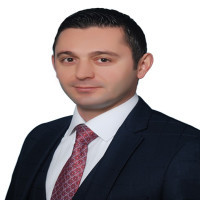
1975 yılı Konya doğumlu. 2003 yılında Doktorasını tamamladı. 2009 yılında Üretim Yönetimi alanında doçent, 2015 yılında Profesör oldu. Yerli ve yabancı dergilerde yüzü aşkın makale, bildiri ve kitap çalışması bulunmaktadır.
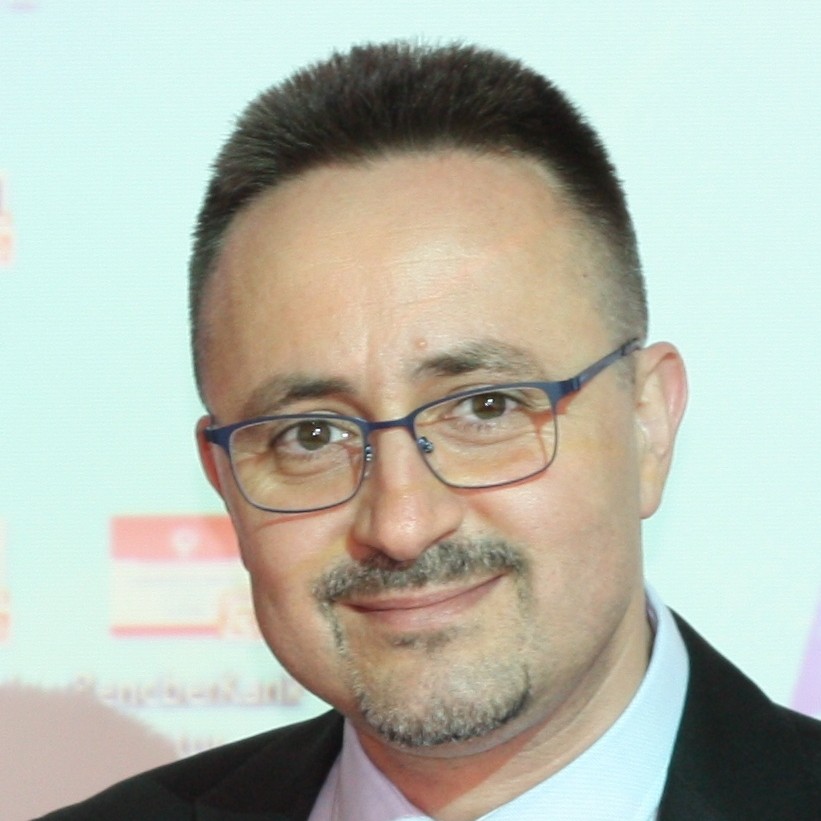



Prof. Dr. Adil Baykasoglu received his B.Sc., M.Sc. and Ph.D. degrees from Mechanical and Industrial Engineering areas in Turkey (Gaziantep) and England (Nottingham). He is presently a full Professor at the Industrial Engineering Department at the Dokuz Eylul University. He has published numerous academic papers, 3 books and edited several conference books on operational research, computational intelligence, engineering management, and manufacturing systems design. He is also an active editor and referee for many scientific journals.
Language Editors
Auto-generated board - Please Edit This Title
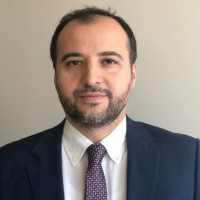







Auto-generated board - Please Edit This Title

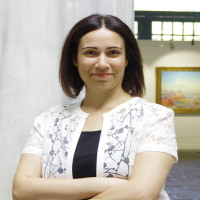
Süphan Nâsır, Boğaziçi Üniversitesi Sosyoloji Bölümü'nden mezun olup, İstanbul Üniversitesi'nde Pazarlama Anabilim Dalı'nda doktorasını tamamlamıştır. 2008 yılında İstanbul Üniversitesi İktisat Fakültesi İşletme Bölümüne Yardımcı Doçent olarak atanmış; 2009'da Doçent, 2014'te ise Profesör unvanını almıştır. Nâsır, 2009 yılından beri İstanbul Üniversitesi İktisat Fakültesi İşletme Bölümü’nde Pazarlama Anabilim Dalı Başkanıdır. 2010-2014 yılları arasında International Journal of E-Entrepreneurship and Innovation dergisinin baş editörlüğünü yapmış olup; 2010-2022 yılları arasında da ESCI’da taranan Uluslararası Yükseköğretim Dergisinin editörlüğünü yapmıştır. Süphan Nasır’ın uluslararası yayınevleri tarafından yayımlanan Modern Entrepreneurship and E-Business Innovations ve CRM Strategies in the Digital Era başlıklı SCOPUS endeksli iki tane uluslararası kitabı bulunmaktadır. 25’i uluslararası kitap ve kitap bölümü olmak üzere 100’ü aşkın endeksli makalesi, ulusal ve uluslararası kongrelerde sunulan bildirileri bulunmaktadır. Çalışma konuları arasında sürdürülebilirlik, seçmen davranışı, Müşteri İlişkileri Yönetimi (CRM), tüketici davranışı, stratejik pazarlama gibi pazarlama konuları ile yükseköğretim politikaları yer almaktadır. Basında ses getiren kamuoyu araştırmalarını başarı ile yürütmektedir. Sürdürülebilir İş Ödüllerinde jüri üyeliği de yapmaktadır. Yükseköğretim Kalite Kurulunda kurumsal dış değerlendirme ve kurumsal akreditasyon programlarında mentör, değerlendirici ve takım başkanı olarak 2016-2021 tarihleri arasında görev almış olup; 2019-2022 yılları arasında ise TÜBİTAK Bilim İnsanı Destek Programları Başkanlığında Danışma Kurulu üyeliği yapmıştır.
Prof. Dr. Ali SINAĞ 1969 yılında İstanbul'da dünyaya geldi. Ankara Üniversitesi Fen Fakültesi Kimya Bölümünde Nisan
2001 yılında tamamladığı doktora çalışmasının ardından Alman Akademik Değişim Servisinden (DAAD) aldığı bursla
2001’den 2003’e kadar Almanya’nın Karlsruhe şehrinde bulunan Karlsruhe Teknik Üniversitesinin köklü enstitüsü
Engler Bunte Kömür, Petrol ve Doğalgaz Enstitüsünde Çelik yüzeyinin sertleştirilmesi (AB Projesi FP 7) konusunda
ardından da yine aynı şehirde bulunan Karlsruhe Araştırma Merkezinin bursuyla da 2003’den 2004’e kadar Karlsruhe
Araştırma Merkezinde Biyokütleden değerli kimyasalların eldesi için katalizör sentezi konusunda doktora sonrası
bilimsel araştırmalarda bulundu. Ekim 2003’te Yardımcı Doçent, Nisan 2005’de Doçent, Eylül 2010’da Profesör oldu.
Çok sayıda idari görevde bulunan Dr. Sınağ 2012 - 2023 yılları arasında Ankara Üniversitesi Teknokent Yönetim Kurulu
Üyesi ve Başkan Vekili, Ankara Üniversitesi Fikri Sınai Haklar Kurulu Başkanı ve Ankara Üniversitesi Kalite
Koordinatörlüğü görevlerini yürüttü. Dr. Sınağ aynı zamanda Yüksek Öğretim Kalite Kurulu Dış Değerlendirme
Takımlarında Değerlendirici Üye ve Takım Başkanı olarak 2016 yılından beri üniversitelerimizin dış değerlendirme
sürecine katkı sunmaktadır. Prof. Dr. Ali Sınağ 2020 yılından bu yana TÜBİTAK Kömür, Biyokütle ve Atık Teknolojileri
Çağrı Programları ile Yükseköğretim Kurulunu temsilen Türk Patent ve Marka Kurumu Danışma Kurulları üyesidir. Dr
Sınağ TÜBİTAK İletişim Merkezi (TÜBİMER) Kurul üyesi olarak da 2022 yılından beri görev yapmaktadır. Eylül
2023’den beri İstanbul Aydın Üniversitesi’nde Araştırma ve Kalite süreçlerinden sorumlu Rektör Yardımcısı olarak
görev yapan Dr. Sınağ’ın tamamlanmış ve yürütmekte olduğu çok sayıda ulusal/uluslararası TÜBİTAK projesi, 85 adet
SCI ve SCI–Exp tarafından taranan uluslararası saygın dergide yayımlanan makalesi bulunmaktadır. Bu makalelere
SCOPUS’a göre yabancı bilim adamlarınca bugüne dek 2800 civarında atıf yapılmıştır. Uluslararası ve ulusal kitap
bölümleri ve biri uluslararası sekiz patenti bulunan Dr. Sınağ ileri derecede İngilizce ve Almanca bilmektedir

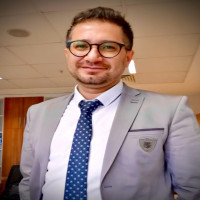
Dr. Cihan YALÇIN (Turkey, 1985) is a top exploratory geologist with substantial expertise in the discipline. He has written many publications published in national and international magazines. His research interests include general geology, mineral deposits, geochemistry, geophysics, seismic investigations, and geographic information systems (GIS). Dr. Yalçın has engaged as a researcher in several initiatives financed both locally and internationally, demonstrating his technical proficiency and dedication to the advancement of geosciences. He has considerable expertise in technical monitoring and evaluation for programs financed by the World Bank.
Dr. Yalçın has shown his research at several scientific conferences and symposiums, participated in scientific committees, served on editorial boards, and chaired sessions for different organizations. He now directs a General Research Project at Istanbul Technical University and serves as a researcher in a TÜBİTAK 1001 project. Furthermore, he holds the position of Exploration Manager at GMK Energy.
By 2025, Dr. Yalçın serves as the Founding General Manager of SRG Mühendislik Danışmanlık LTD.ŞTİ, where he persists in his geological research while broadening his emphasis to include sustainability, research and development, innovation, and efficiency initiatives. His leadership and diverse knowledge propel significant progress in geological and transdisciplinary fields.
Özlem ATAY, 1984’de TED Ankara Koleji’nden, 1988’de Ankara Üniversitesi Siyasal Bilgiler Fakültesi İşletme Bölümü’nden mezun olduktan sonra, Hacettepe Üniversitesi İşletme Bölümü’nde Yüksek Lisans, Ankara Üniversitesi Siyasal Bilgiler Fakültesi İşletme Bölümü’nde Doktora eğitimini tamamlamıştır. Akademik kariyerine paralel olarak, 1988 ve 1996 yılları arasında Milli Prodüktivite Merkezi’nde ‘Uzman’ olarak çalışmış; Almanya REFA Enstitüsü hocaları tarafından ‘REFA İş Etüdü Öğretmeni’ olarak yetiştirilmiştir. Bu dönemde, Türkiye’de sanayi, hizmet ve tarım sektörlerinde faaliyet gösteren birçok işletmede verimlilik artırma teknikleri konusunda eğitim, danışmanlık ve araştırma çalışmaları yürütmüştür. 1996 yılından bu yana, Ankara Üniversitesi Siyasal Bilgiler Fakültesi İşletme Bölümü’nde öğretim üyesi olarak görev yapmakta ve halen ‘Yönetim ve Organizasyon Anabilim Dalı Başkanlığı’ görevini sürdürmektedir. 1999 ve 2002 yılları arasında Bölüm Başkan Yardımcılığı yapmıştır. 2006 yılında Profesör olmuştur. Ankara Üniversitesi Sürekli Eğitim Merkezi ile bazı özel ve kamu kuruluşlarında insan kaynakları geliştirme eğitim programlarına destek olmuştur. Ankara Üniversitesi Siyasal Bilgiler Fakültesi ve Spor Bilimleri Fakültesi’nde lisans, yüksek lisans ve doktora düzeyinde birçok ders (Management, Yönetim ve Organizasyon, İnsan Kaynakları Yönetimi, İşletme Politikası ve Stratejik Yönetim, Modern Yönetim Kuramı, Stratejik İnsan Kaynakları Yönetimi, Örgütsel Davranış, Örgüt Kuramı, Çokuluslu İşletmelerde Yönetim, Yönetim Bilimine Giriş, Türk İşletmelerinde Yönetim Uygulamaları, İşletme Yönetimi, Küreselleşme Sürecinde Yönetsel İşlevlerde Farklılaşma, İnsan Kaynakları Yönetimi Uygulamaları, Yönetim ve Kadın, Stratejik İnsan Kaynakları, Türk İşletmelerinde Çağdaş Yönetim Uygulamaları, Yönetim… vb.) vermektedir. Uzmanlık alanları stratejik yönetim, yönetim ve organizasyon, örgütsel davranış, verimlilik artırma teknikleri, insan kaynakları yönetimi, kadın çalışmaları ve toplumsal cinsiyettir. Akademik hayatı boyunca ulusal ve uluslararası (TÜBİTAK, Dünya Bankası, Türkiye Bilimler Akademisi, Ankara Üniversitesi, Curtin University, YÖK… vb.) birçok araştırma bursu kazanmıştır. 2000 yılında, Dünya Bankası bursunu kazanarak, İngiltere Londra’da London School of Economics, University of Hertfordshire ve Manchester’da Manchester School of Management Üniversitelerinde öğretim üyeleriyle ortak bilimsel çalışmalar yapmıştır. 2006 yılında Curtin University Graduate School of Business, Perth, Australya; 2008 yılında Aalborg University College of Business, Aalborg, Danimarka; 2011 yılında Valparaiso University College of Business Administration, Valparaiso, ABD; 2012-2013 akademik yılında Northern Illinois University College of Business, Management Department, DeKalb, ABD’de misafir öğretim üyesi olarak davet edilmiş, lisans ve yüksek lisans düzeyinde “Management and Organizational Behavior”, “Principles of Management”, “Management” derslerini vermiş ve yabancı meslektaşlarıyla kültürlerarası karşılaştırmalı birçok araştırma projesi gerçekleştirmiştir. Dört farklı uluslararası konferansta sunduğu tebliğlerle 2011’de “Best Paper Award”, 2000’de “Award of Excellence”, 2011’de “Success Award” ve 2017’de “Best Paper Award” ödüllerini kazanmıştır. Uzmanlık alanında çok sayıda kitap, İngilizce kitapta bölüm, makale, çeviri ve bildirileri bulunmaktadır. Türkiye, Portekiz, Avustralya, İrlanda, İngiltere, ABD, Birleşik Arap Emirlikleri, Almanya, Çek Cumhuriyeti, Yeni Zelanda, Hindistan, Güney Afrika, İsveç ve Avusturya olmak üzere 14 ülkeden kadın araştırmacıların yer aldığı Women in Higher Education Management (WHEM) Network’de (http://wil.insightsme.net/whem/) Türkiye’yi temsil etmektedir. WHEM Network’un Palgrave Yayınevi tarafından yayınladığı “Gender, Power and Management(2011), Generation and Gender in Academia(2013), Gendered Success in Higher Education(2017) ve Gender, Power and Higher Education in a Globalised World: Where to Now?(2021) başlıklı üç kitapta bölüm yazmıştır. Ulusal ve uluslararası birçok bilimsel dergide hakemlik yapmakta ve Editörler Kurulu’nda yer almaktadır. İngilizce ve Almanca bilmektedir.
Web linki: https://ozlemataysbf.blogspot.com/
Halit Keskin, Yıldız Teknik Üniversitesi İktisadi ve İdari Bilimler Fakültesi'nde yönetim ve organizasyon alanında profesör. Doktora derecesini Gebze Yüksek Teknoloji Enstitüsü'nden yönetim ve organizasyon alanında almıştır. Journal of Product Innovation Management, Journal Engineering and Technology Management, R&D management, Information & Management, Technovation, IEEE Transactions on Engineering Management, International Journal of Information Management, International Journal of Production Research, Technological Forecasting and Social Change adlı dergilerde yayınları bulunmaktadır. Araştırma alanları teknoloji ve inovasyon yönetimi, bilgi yönetimi, yeni ürün geliştirme ekipleri, üniversite-sanayi etkileşimleri, orgüt teorisidir.
Prof. Dr. Adil Baykasoglu received his B.Sc., M.Sc. and Ph.D. degrees from Mechanical and Industrial Engineering areas in Turkey (Gaziantep) and England (Nottingham). He is presently a full Professor at the Industrial Engineering Department at the Dokuz Eylul University. He has published numerous academic papers, 3 books and edited several conference books on operational research, computational intelligence, engineering management, and manufacturing systems design. He is also an active editor and referee for many scientific journals.
1992 yılında Orta Doğu Teknik Üniversitesi (ODTÜ) Gaziantep Mühendislik Fakültesi Makina Mühendisliği Bölümü’nden mezun olan Prof. Dr. Türkay Dereli, lisansüstü çalışmalarını tamamlayarak 1998 yılında Gaziantep Üniversitesi Endüstri Mühendisliği Bölümü’nde Yardımcı Doçent (Dr. Öğretim Üyesi) olarak çalışmaya başlamıştır. 2002 yılında Doçent unvanını alan Prof. Dr. Türkay Dereli, 2007 yılında Profesörlük kadrosuna atanmıştır. Endüstriyel ve güncel araştırma projeleri ile ulusal ve uluslararası konferans organizasyonlarında görev almıştır. Türkiye’deki ilk yenilik merkezi ile bilişim ve hızlı prototipleme laboratuvarlarının Gaziantep’te kurulması için çalışmıştır. Çok sayıda özgün makale, tebliğ ve kitapları yayınlanmıştır. Web of Science kayıtlarına göre; SCI/SCI-E/SSCI indeksli dergilerde 70’in üzerinde eseri yayınlanmış olup h-indeks sayısı 22 olan Prof. Dr. Türkay Dereli’nin bu yayınlarına 1500’e yakın atıf verilmiştir. Google Scholar kayıtlarına göre ise h-indeks sayısı 30 olup, verilen atıfların sayısı 3000’in üzerindedir. Yapay zekânın özellikle üretim sistemlerinde uygulanması üzerine bilimsel çalışmaları bulunan Prof. Dr. Türkay Dereli’nin son yıllardaki çalışmaları ‘Teknoloji ve Toplum’ üzerine yoğunlaşmaya başlamıştır. 2012-2015 yılları arasında Gaziantep Üniversitesi’nde Bilim, Sanayi ve Teknoloji politikalarından sorumlu Rektör Yardımcısı ve 2015-2020 yılları arasında İskenderun Teknik Üniversitesi (İSTE) Kurucu Rektörü olarak görev yapan Prof. Dr. Türkay Dereli, 24 Eylül 2020 tarihinde Hasan Kalyoncu Üniversitesine (HKÜ) Rektör olarak atanmıştır.
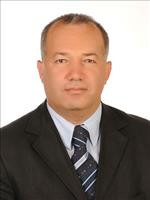
Prof. Dr. Cengiz Kahraman
Prof. Kahraman, 1965 yılında Üsküdar’da doğdu. 1983 Yılında Kuleli Askeri Lisesi’nden mezun oldu. 1984 yılında İstanbul Teknik Üniversitesi Endüstri Mühendisliği Bölümü’nde yükseköğrenimine başladı. 1988 yılında mezun olduğu bu bölümde araştırma görevlisi olarak çalışmaya başladı. İTÜ’den 1988’de Endüstri Mühendisliği lisans derecesini, 1990’da endüstri mühendisliği yüksek lisans derecesini ve 1996 yılında endüstri mühendisliği doktora derecesini aldı. Prof. Kahraman, İstanbul Teknik Üniversitesi’nden 1996 yılında yardımcı docent, 1998 yılında docent, 2003 yılında profesör ünvanlarını aldı. Prof. Dr. Cengiz Kahraman’ın başlıca çalışma alanları arasında mühendislik ekonomisi, kalite yönetimi, çok ölçütlü karar verme, istatistiksel karar verme ve bulanık karar verme konuları yer alıyor. Prof. Kahraman 320’dan fazla uluslararası indeksli makaleye, 220’den fazla uluslararası bildiriye, 100’den fazla uluslararası kitap içi bölümüne imza attı. 25 adet uluslararası kitapta editörlük ve çok sayıda uluslararası dergiye ait özel sayılarda konuk editörlük yaptı. Hâlen, biri baş editörlük olmak üzere, 20’den fazla uluslararası derginin editöryal kurulunda yer alıyor. Uluslararası çapta pek çok bilimsel konferans da düzenleyen Cengiz Kahraman, 2004-2007 yılları arasında İTÜ İşletme Fakültesi Dekan Yardımcılığı, 2007-2010 yılları arasında ise İTÜ Endüstri Mühendisliği Bölüm Başkanlığı yaparak üniversitede idari görevler de gerçekleştirdi. 2017 yılında Turkishtime dergisi tarafından yayımlanan araştırma sonuçlarına göre, “Bilim dünyasına yön veren ilk 100 Türk” listesinin 40. sırasında yer alan Prof. Dr. Cengiz Kahraman, 2018 yılında da TÜBİTAK Bilim ödülünü kazandı.
1975 yılı Konya doğumlu. 2003 yılında Doktorasını tamamladı. 2009 yılında Üretim Yönetimi alanında doçent, 2015 yılında Profesör oldu. Yerli ve yabancı dergilerde yüzü aşkın makale, bildiri ve kitap çalışması bulunmaktadır.
Journal of Productivity is licensed under a Creative Commons Attribution-NonCommercial 4.0 International License (CC BY-NC 4.0)